All Creatures Veterinary Hospital supports cat owners in Evansville, WY in understanding the signs of feline obesity as the first step toward protecting their pet’s long-term health. A few extra pounds might seem harmless, but even modest weight gain places additional stress on a cat’s body.
Why Extra Pounds Put Your Cat’s Health at Risk
Excess body weight affects much more than your cat’s appearance. An overweight cat faces an increased risk of diabetes, arthritis, heart-related complications, and reduced mobility. Additional weight places pressure on joints, making jumping, climbing, and grooming increasingly difficult. Some cats become less playful or spend more time resting because everyday movements require greater effort.
Over time, obesity may interfere with your cat’s overall quality of life and contribute to chronic health concerns. Maintaining a healthy body condition supports comfortable movement, normal activity, and a longer, healthier life.
What’s Behind Your Cat’s Weight Gain?
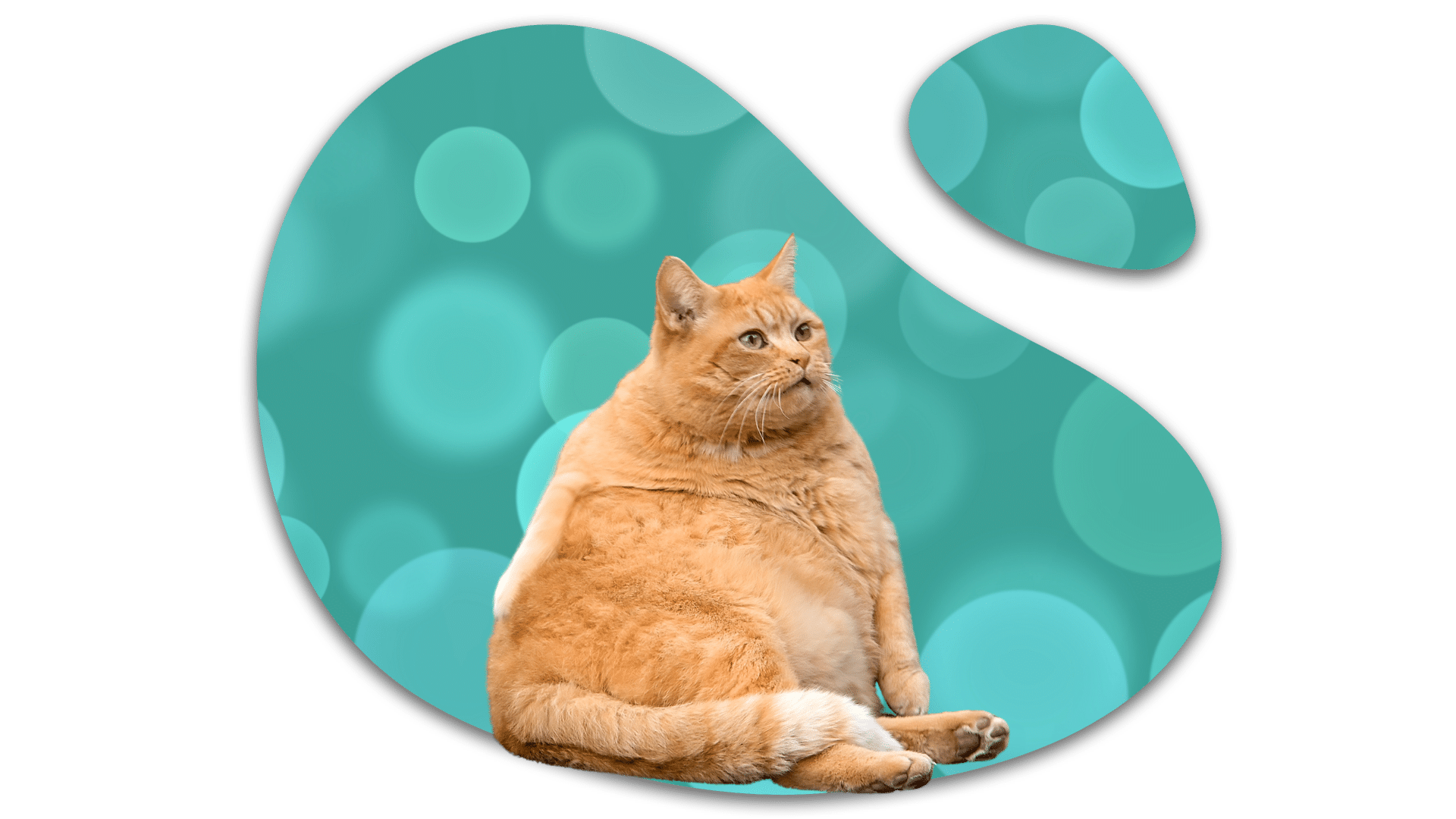
Weight gain often develops when a cat consumes more calories than their body uses throughout the day. Oversized portions, frequent treats, calorie-dense foods, and unrestricted feeding contribute to gradual weight increases. Indoor cats with limited opportunities for exercise may face an even greater risk.
However, diet isn’t the only factor worth considering. Age, reduced activity, certain medications, and underlying medical conditions may influence body weight. A veterinarian evaluates these possibilities before recommending dietary adjustments, ensuring your cat receives guidance suited to their individual needs.
Recognizing the Signs of an Overweight Cat
Determining whether your cat weighs too much involves more than checking the number on a scale. Body shape, waist definition, and the amount of fat covering the ribs provide valuable clues about their condition.
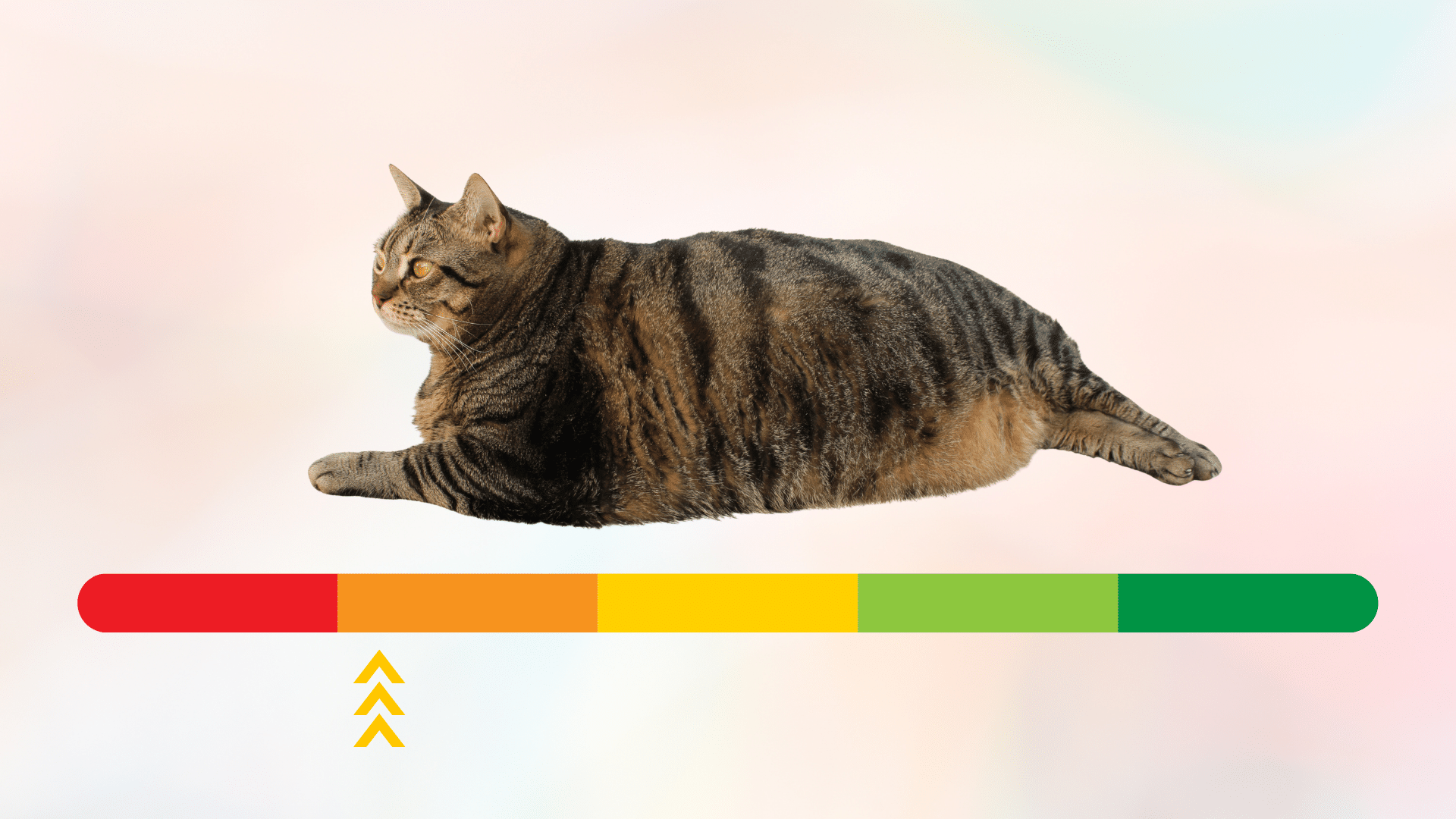
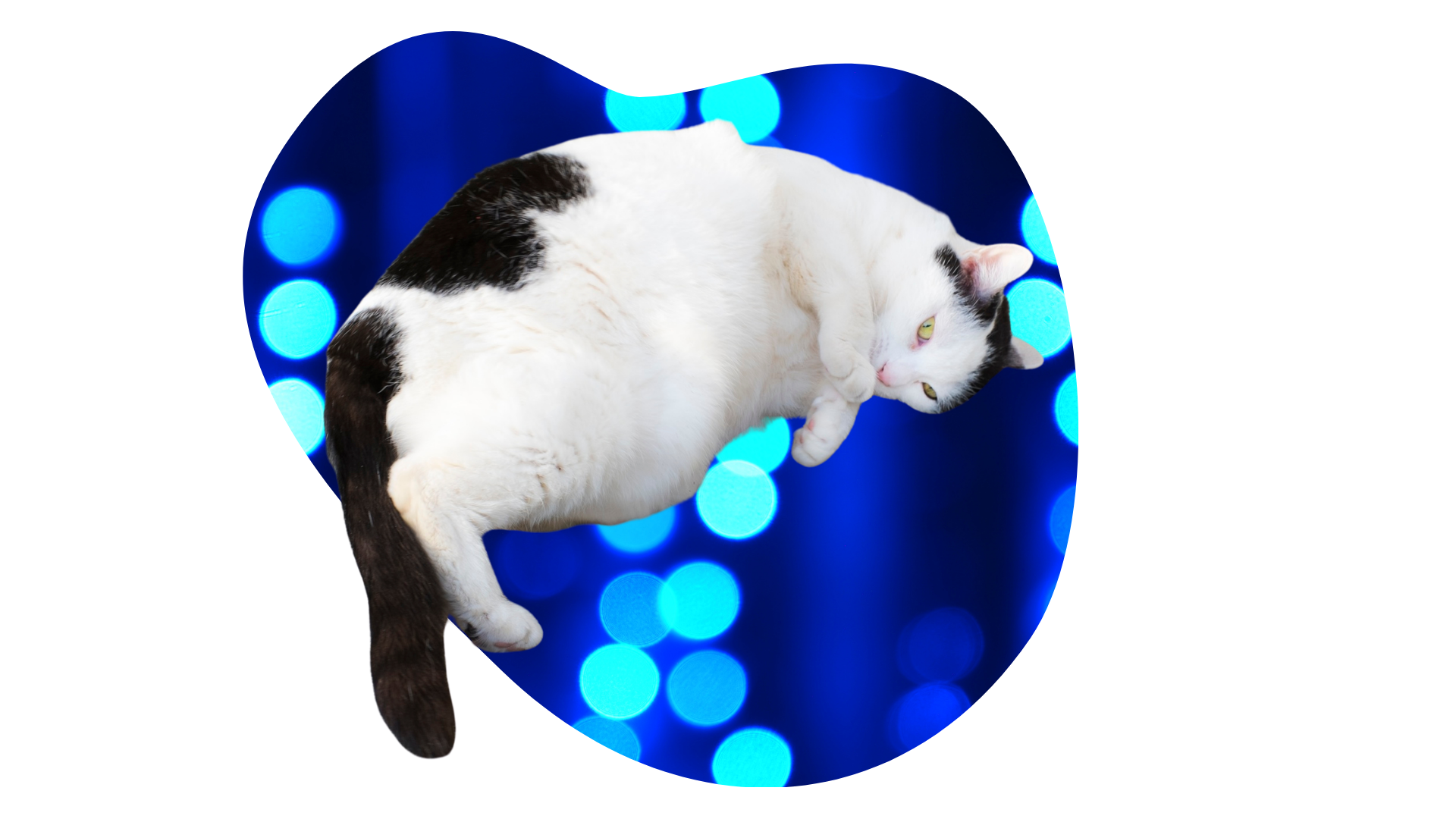
When viewed from above, a healthy cat typically has a visible waist behind the ribs. You should feel the ribs beneath a thin layer of fat without pressing firmly. An overweight cat may have a rounded abdomen, little waist definition, or difficulty grooming certain areas.
Veterinarians use a body condition scoring system to assess these physical characteristics. The cat body condition scoring chart offers a useful visual reference for understanding healthy and excessive body fat.
When Weight Changes Deserve a Veterinary Visit
Unexpected weight gain deserves professional attention, particularly when accompanied by changes in appetite, energy, or behavior. At All Creatures Veterinary Hospital in Evansville, veterinary wellness exams provide an opportunity to evaluate your cat’s body condition and overall health.
During an examination, the veterinary team will review feeding habits, assess physical condition, and recommend diagnostic testing when medically appropriate. These findings guide a personalized weight management plan that prioritizes safe, gradual progress.
Avoid suddenly restricting your cat’s food or attempting rapid weight loss. Cats face serious health risks when their calorie intake drops too sharply, making veterinary supervision essential throughout the process.
Three Practical Ways to Support a Healthier Weight
Small, consistent changes often make the greatest difference in managing an overweight cat. Start with these veterinarian-guided habits:
- Measure meals carefully. Follow your veterinarian’s recommended feeding amounts rather than estimating portions or keeping food bowls constantly full.
- Encourage daily movement. Interactive toys, climbing structures, and short play sessions encourage physical activity without overwhelming your cat.
- Skip unverified diet advice. Avoid online weight-loss trends, drastic food restrictions, and sudden dietary changes without consulting your veterinarian.
Successful weight management takes patience. Regular weigh-ins and adjustments based on veterinary recommendations keep progress steady while protecting your cat’s nutritional needs.
Cat Weight Management in Evansville, WY
If you’re concerned about an overweight cat, All Creatures Veterinary Hospital provides weight management for pets in Casper, Evansville, and Glenrock. Whether your cat has recently gained weight or has struggled with excess pounds for years, a professional evaluation offers a clearer path forward. Schedule an appointment to discuss your cat’s weight gain.
A healthier weight contributes to greater comfort, better mobility, and more enjoyable years together. With thoughtful nutrition, regular activity, and consistent veterinary care, your cat has a stronger foundation for lifelong wellness.